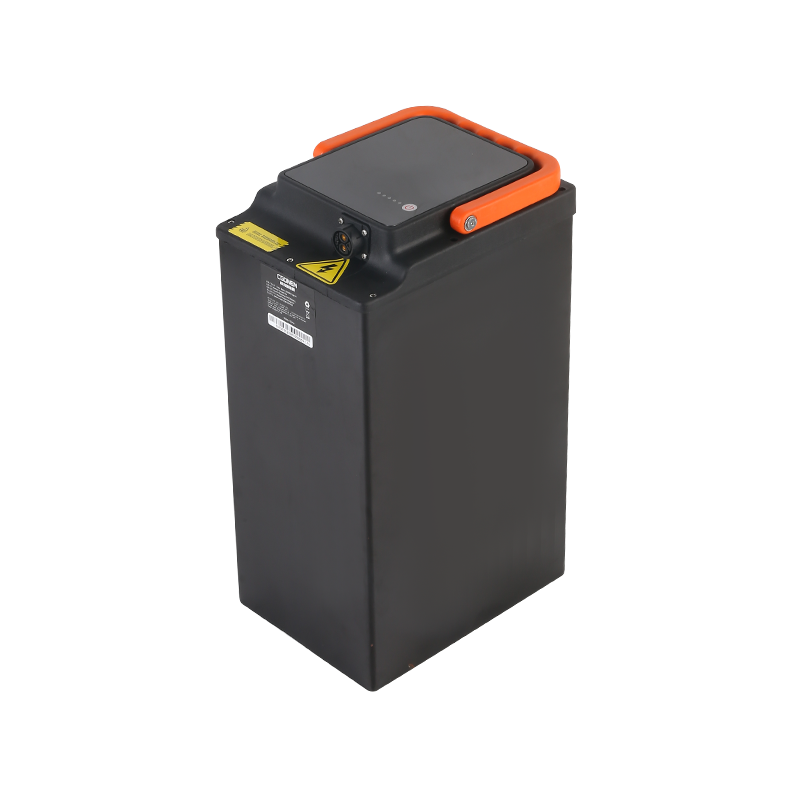
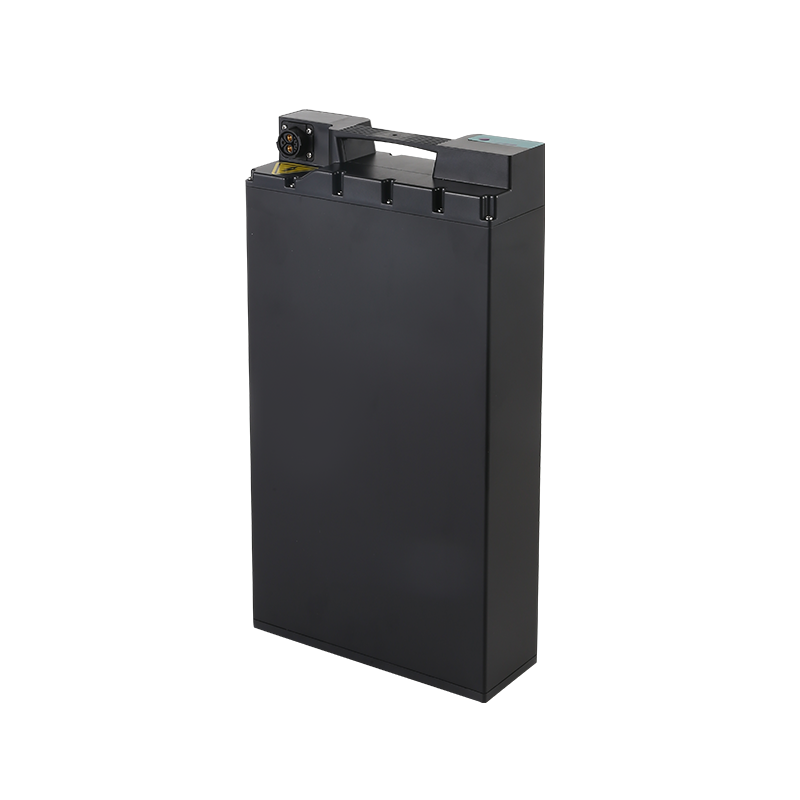
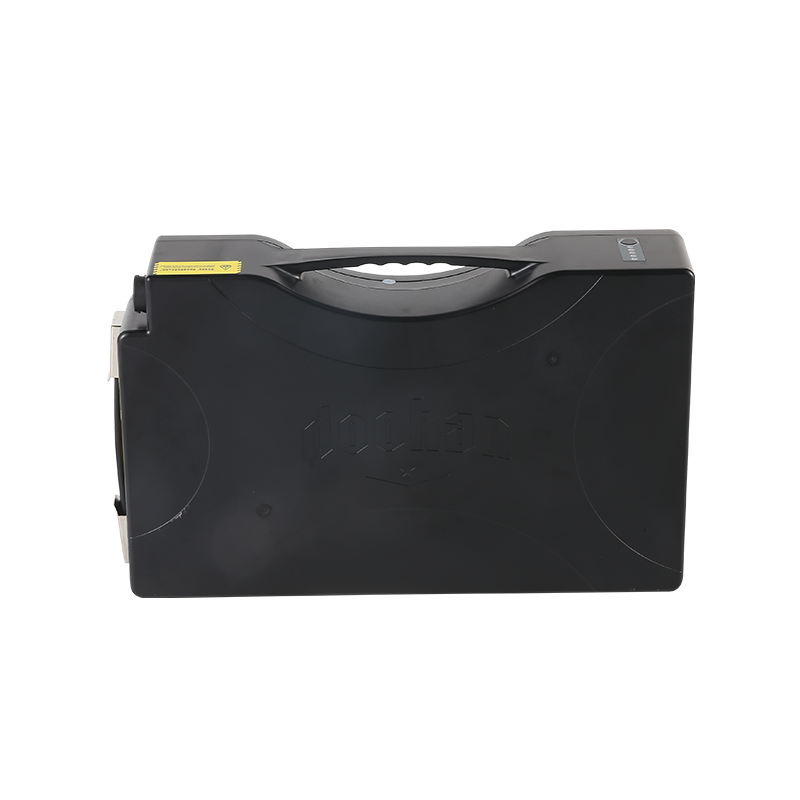
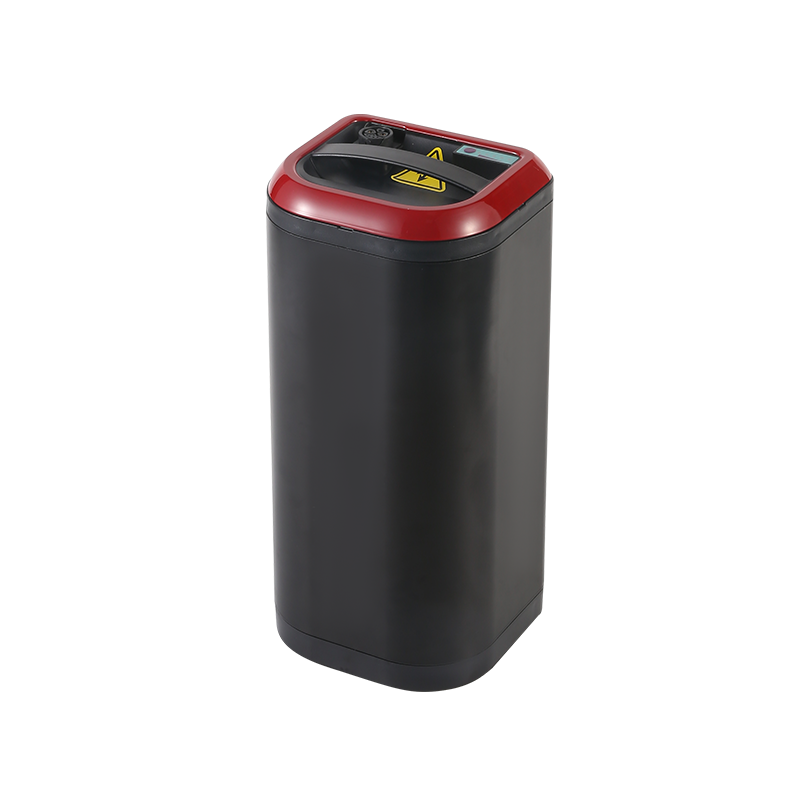
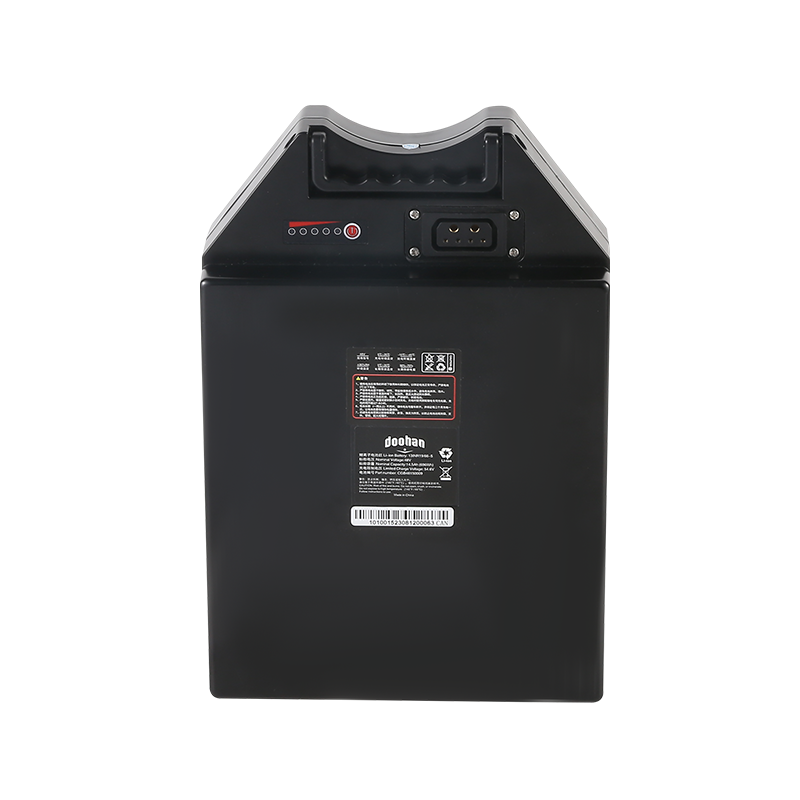
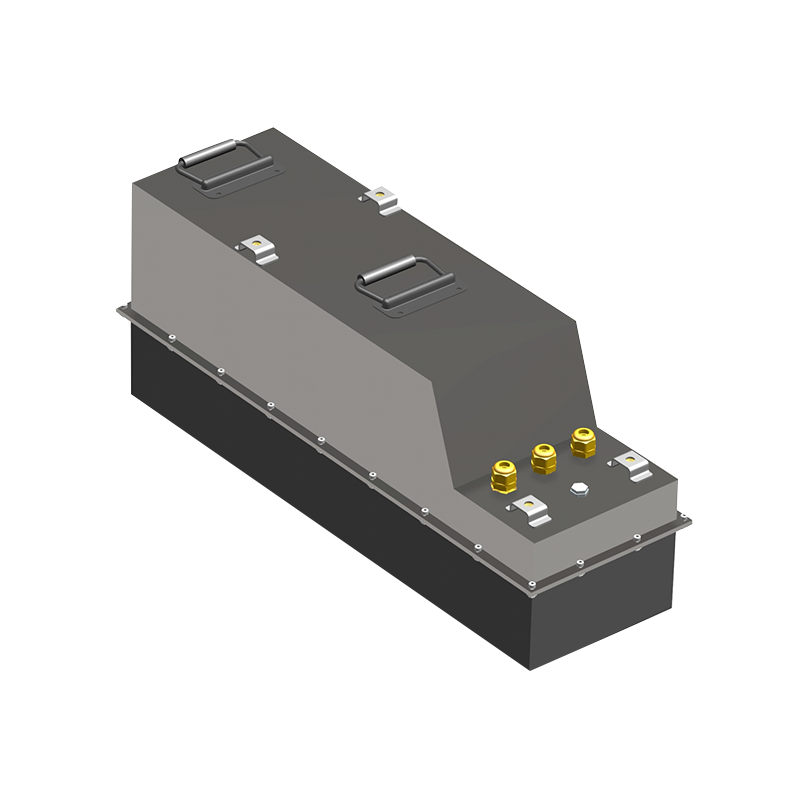
The accelerating shift towards electric two-wheeled transportation is fundamentally powered by advancements in a core component: the electric motorcycle lithium battery. This energy storage system has become the definitive factor influencing the performance, range, usability, and market acceptance of electric motorcycles. The evolution of the electric motorcycle lithium battery reflects a concentrated effort to overcome historical barriers like limited range and long charging times, enabling a new generation of practical and high-performing electric bikes.
At the heart of this technology lies the lithium-ion cell, prized for its high energy density and rechargeability. An electric motorcycle lithium battery pack is an assembly of hundreds or thousands of these individual cells, organized into modules and managed by a sophisticated Battery Management System. The BMS is the critical intelligence of the electric motorcycle lithium battery, continuously monitoring voltage, temperature, and current for each cell group. It ensures safety, optimizes charging and discharging, balances cell voltages, and improves the pack's lifespan and usable capacity. The specific chemistry of the lithium cells—whether NMC (Nickel Manganese Cobalt) or the increasingly popular LFP (Lithium Iron Phosphate)—impacts the energy density, power output, cost, and thermal stability of the final electric motorcycle lithium battery.
The performance characteristics of an electric motorcycle are directly dictated by its electric motorcycle lithium battery. The battery's energy capacity, measured in kilowatt-hours (kWh), determines the achievable riding range. Concurrently, its power output capability defines acceleration and top speed. Engineers strive to increase the energy density of the electric motorcycle lithium battery to pack more range into a compact and lightweight package, which is crucial for maintaining a motorcycle's agile handling. Thermal management is also vital; advanced packs incorporate cooling systems to maintain ideal temperature during high-power riding or fast charging, preserving both performance and battery health.
Integration and design represent another frontier. pilot manufacturers are moving beyond simply placing a battery box on the frame. Instead, the electric motorcycle lithium battery pack is increasingly designed as a structural component of the motorcycle itself. This approach, often called a "skateboard" or chassis-integrated design, places the weight of the electric motorcycle lithium battery low and central, significantly improving the bike's center of gravity, stability, and overall handling dynamics. This design philosophy highlights how the electric motorcycle lithium battery shapes not just the powertrain, but the very architecture of the vehicle.
Charging technology is a critical aspect of the ownership experience linked to the electric motorcycle lithium battery. The development of electric motorcycle lithium battery systems capable of accepting high-power DC fast charging is reducing downtime dramatically. Some contemporary systems can add significant range in under an hour. The onboard charger's capacity, the battery's thermal management during charging, and the availability of compatible charging infrastructure are all factors that influence how conveniently a rider can replenish an electric motorcycle lithium battery.
The roadmap for the electric motorcycle lithium battery focuses on several key areas: further increasing energy density to extend range, reducing costs through material innovation and scaled manufacturing, improving charging speeds, and enhancing overall safety and cycle life. Emerging technologies, such as semi-solid or solid-state batteries, promise potential future leaps in performance. As the electric motorcycle segment continues its growth, continuous improvement in the electric motorcycle lithium battery will remain the single many important driver, determining the feasibility, appeal, and ultimate success of electric two-wheelers as a mainstream mode of transportation.


 En
En  English
 中文简体
中文简体