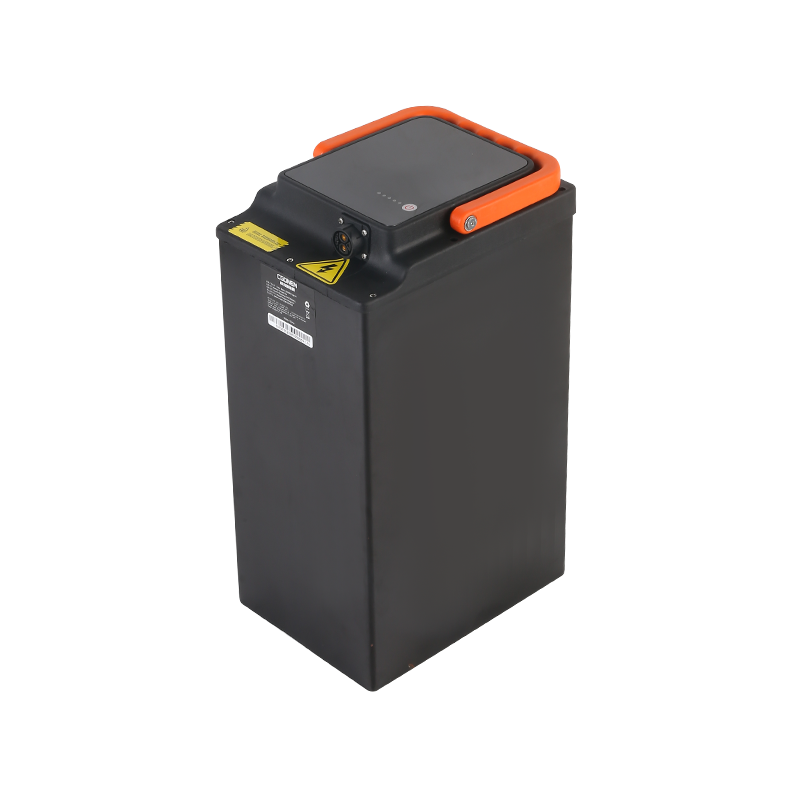
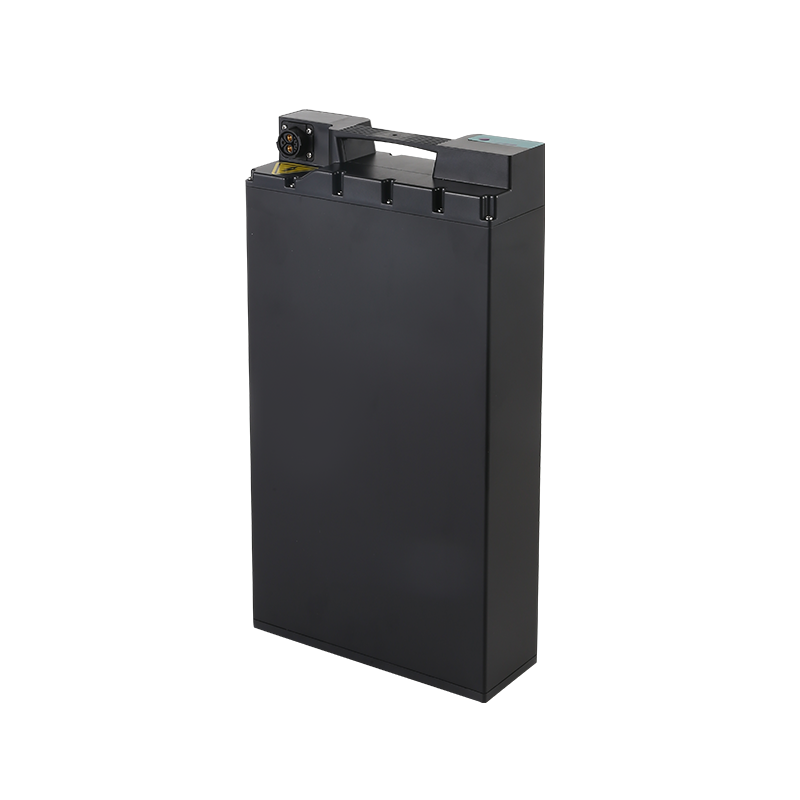
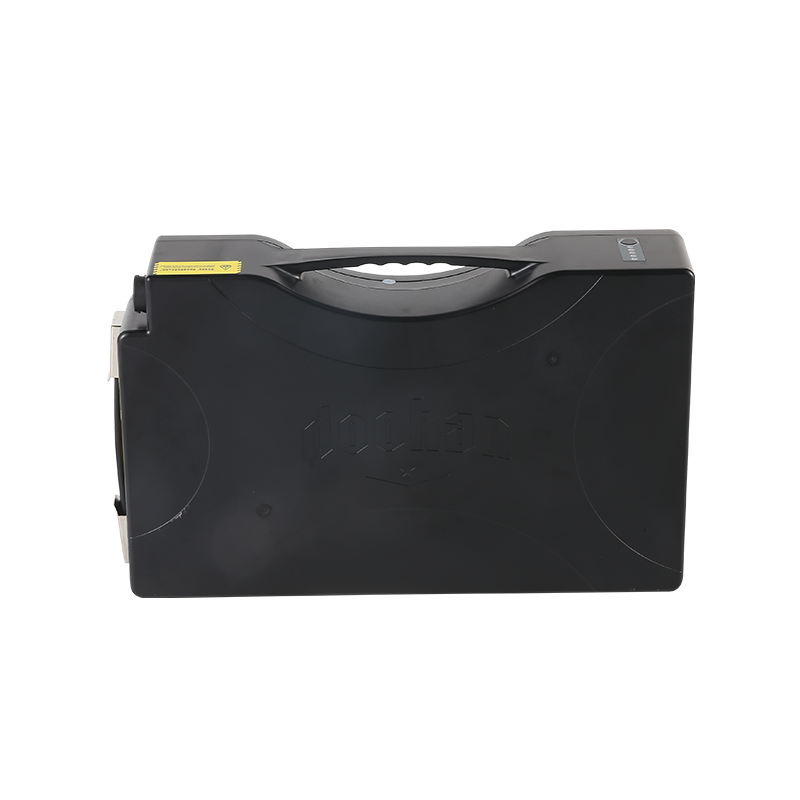
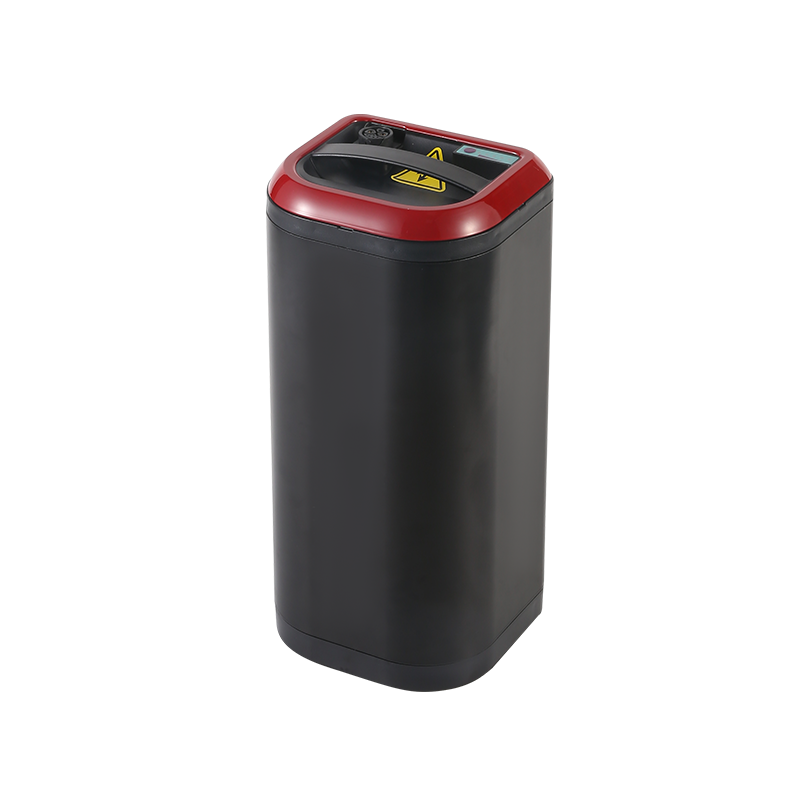
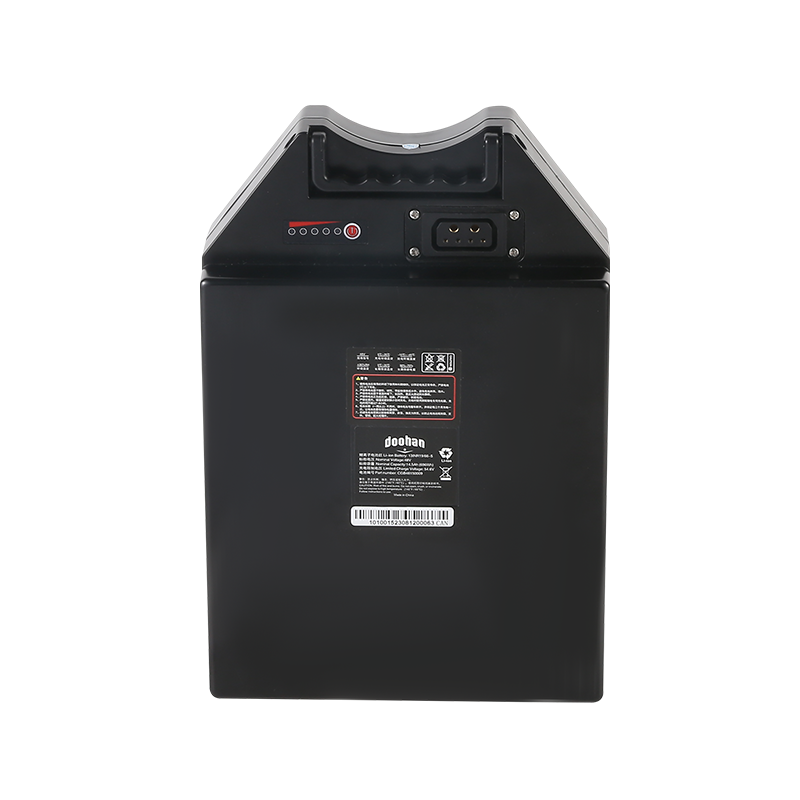
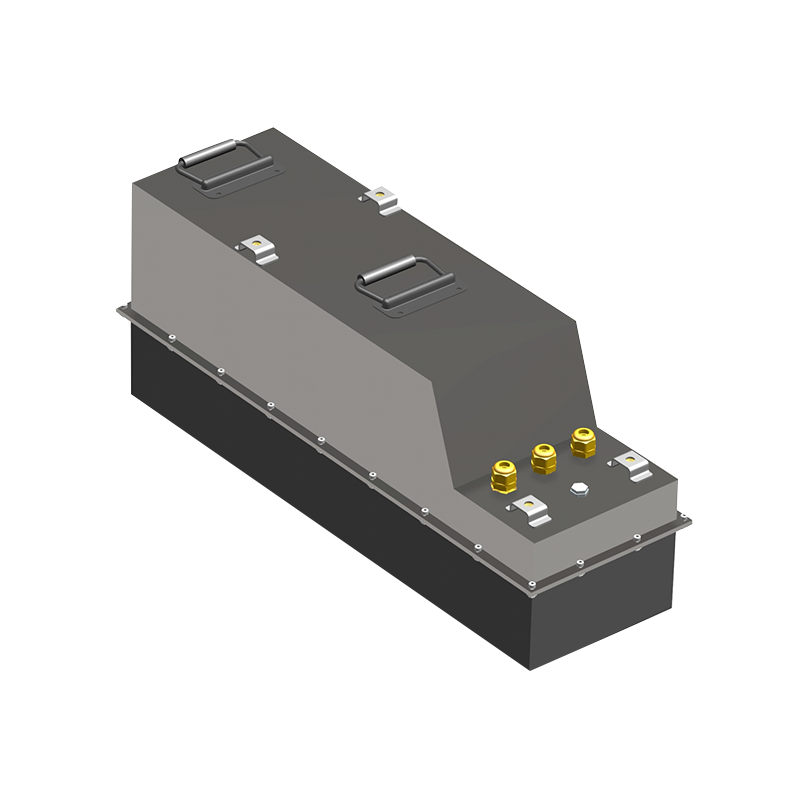
The rapid evolution of electric motorcycles is fundamentally linked to progress in a single, critical component: the power electric motorcycle battery. This unit is far more than a simple energy container; it is the integrated power source that defines a bike's range, performance, weight distribution, and overall usability. Advances in the power electric motorcycle battery are directly enabling longer journeys, quicker acceleration, and more practical ownership, addressing key considerations for both new and experienced riders.
The core of a modern power electric motorcycle battery is a pack comprising hundreds, sometimes thousands, of individual lithium-ion cells. These cells are organized into modules with sophisticated battery management systems. The BMS is the intelligent guardian of the power electric motorcycle battery, constantly monitoring cell voltage, temperature, and health. It ensures balanced charging and discharging, protects against overcharge and deep discharge, and manages thermal conditions to optimize performance and safety. The energy density—the amount of energy stored per kilogram—of the power electric motorcycle battery is a primary focus, as it directly determines how much range can be achieved within the constrained physical space and weight limits of a motorcycle frame.
Performance metrics for electric motorcycles are intrinsically tied to the capabilities of the power electric motorcycle battery. The battery's ability to deliver high current (power output) determines acceleration and hill-climbing torque. Simultaneously, its total energy capacity (measured in kilowatt-hours) dictates the possible riding distance between charges. Manufacturers are engaged in a continuous effort to improve both aspects of the power electric motorcycle battery, seeking to extend highway range without compromising the thrilling instant torque that defines the electric riding experience. This involves not just cell chemistry, but also advanced cooling systems and efficient pack design to maintain stable power delivery.
The integration of the power electric motorcycle battery into the motorcycle's chassis is a key design philosophy. Unlike adding a fuel tank, engineers often use the power electric motorcycle battery as a structural element. By shaping the battery pack to fit low in the frame, designers can achieve a favorable center of gravity, enhancing the bike's handling and stability. This approach turns the power electric motorcycle battery from a mere component into a foundational part of the vehicle's architecture, influencing its overall feel and dynamics on the road.
Charging infrastructure and speed are paramount for the practicality of any electric vehicle, and the power electric motorcycle battery is central to this equation. Support for DC fast charging is becoming an important feature for higher-performance models. A power electric motorcycle battery engineered to accept high charging currents can replenish a significant portion of its range in a matter of minutes, making longer tours more feasible. Charging port design, onboard chargers, and software that manages battery temperature during fast charging are all integral aspects of the power electric motorcycle battery system that impact the user experience.
The trajectory for the power electric motorcycle battery points toward continued gains in energy density, faster charging capabilities, and improved integration. Innovations in solid-state battery technology hold promise for future leaps in performance and safety. As the electric motorcycle market expands, the power electric motorcycle battery will remain the focal point of innovation, determining not just how far and how fast these machines can go, but also how seamlessly they integrate into riders' lives, ultimately shaping the future of two-wheeled electric mobility.


 En
En  English
 中文简体
中文简体